
The Origins
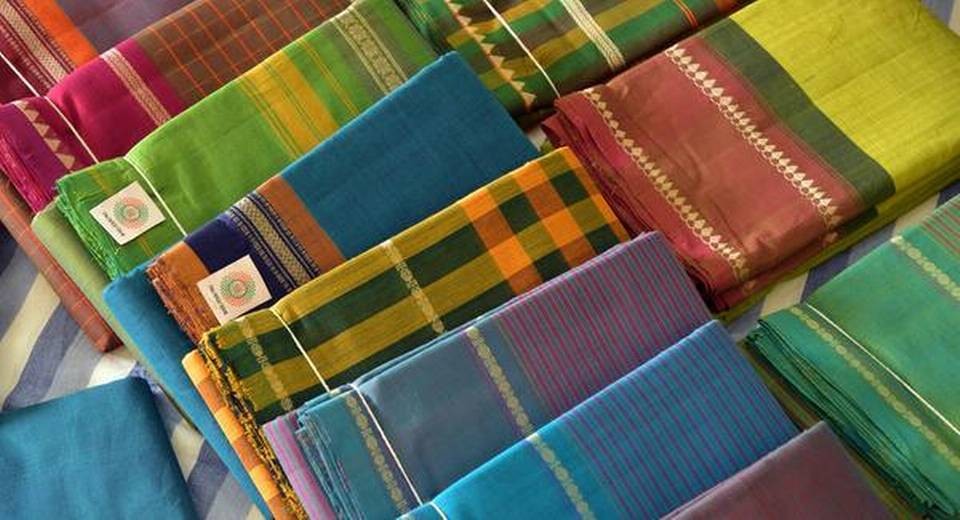
The story of Kandangi sarees begins in the Chettinad region of Sivaganga district, home to the Chettiar community known for its distinctive architecture, cuisine, and textile traditions. Historically, Kandangi sarees were everyday attire for Chettiar women, designed to suit the hot, dry climate of the region.
The name Kandangi refers to the bold, large-scale check patterns that became the defining feature of these sarees. These checks are not printed or added later, rather are woven directly into the structure of the saree. Sarees are woven on traditional handlooms using thick, sturdy cotton yarns that give the fabric a firm texture.
Unlike delicate silks or fine cottons meant for ceremonial use, Kandangi sarees were crafted for durability and comfort, reflecting the practical needs of women engaged in household and agricultural life. Traditionally woven using coarse cotton yarn, these sarees were built to last for years, softening with use while retaining their structure.
The Weaving Technique
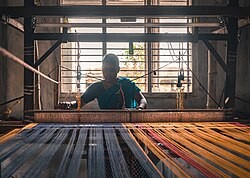
The hallmark of Kandangi sarees lies in their large check designs, formed through careful coordination of warp and weft threads in contrasting colours. Historically, many of these hues were derived from natural vegetable dyes, giving the sarees their warm, muted undertones. The bold contrasts ensured visibility and vibrancy even in bright sunlight, making them visually striking in rural landscapes. The pallu tends to be understated compared to silk sarees, reinforcing the practical origins of the garment.
Cultural Significance and Contemporary Relevance
Over time, as lighter mill-made fabrics replaced handloom cottons, Kandangi sarees declined in everyday use. However, their cultural memory remained strong, and they continued to be valued as heirloom textiles that carried stories of earlier generations.
In recent decades, Kandangi sarees have experienced a significant revival due to efforts by Handloom conservation movements, Designers who reintroduced Kandangi patterns in contemporary silhouettes and Urban consumers seeking authentic, sustainable fashion.
Wider Visibility
Kandangi sarees have received GI Tag in 2019, acknowledging their unique weaving tradition and regional identity. Textile scholars and sustainable fashion advocates frequently highlight Kandangi sarees as examples of climate-responsive, durable, and culturally embedded design, placing them within broader global conversations about slow fashion and heritage preservation.
Image References