
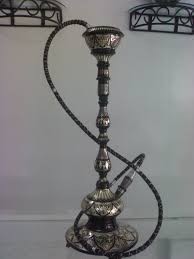
 Bidriware is one of India’s most refined and visually striking metal crafts, instantly recognisable for its deep blackened metal surface adorned with intricate silver inlay. Originating in Bidar, Karnataka, this craft seamlessly blends technical precision, historical depth, and artistic elegance. The name Bidriware itself comes from the town of Bidar.
The Origins of Bidriware
The origins of Bidriware date back to the 14th century, flourishing under the patronage of the Bahmani Sultanate in Bidar, then an important capital of a powerful Deccan kingdom. The craft emerged through a fusion of indigenous metalworking traditions with Persian artistic influence, brought by artisans and metalworkers who settled in the region under royal invitation. According to historical accounts, artisans such as Abdullah bin Kaiser, a metal craftsman from Persia, worked with local craftsmen to merge Persian inlay techniques with Indian metalwork, creating a distinct art form.
The Make
Material and Alloy
Artisans start with an alloy of zinc and copper, traditionally prepared in specific proportions to achieve a metal that can accept intricate engraving and inlay. The base metal begins as a lightweight yet resilient alloy suited for fine detailing.
Casting and Engraving
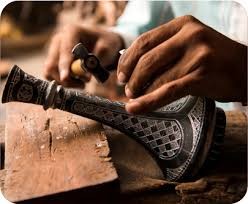
The desired object; whether a vase, tray, bowl, jewellery box, or decorative piece; is first cast and smoothed. Skilled craftsmen then engrave intricate designs directly onto the surface using specialised chisels and tools.
Silver Inlay
Thin wires or sheets of pure silver are hammered meticulously into the engraved grooves. This process known as “tarkashi”; requires extraordinary precision, as the silver must fit uniformly throughout the patterns.
Blackening
The hallmark deep black surface is achieved through a unique oxidation process that uses soil sourced from within the Bidar Fort, known for its high nitrate content. Mixed with ammonium chloride and water, this soil paste is applied to the heated metal, which turns the zinc alloy black while leaving the silver inlay untouched; resulting in the intense contrast that defines Bidriware.
Cultural Significance
Historically, Bidriware was associated with royal courts and noble households, used in objects ranging from vases, hookahs, and trays to ritual and ceremonial items. In contemporary times, Bidriware finds place in both traditional and modern décor; from intricate jewellery boxes and ornamental pieces to functional items like pen stands and home furnishings developed by designers.
Contemporary Evolution and Preservation
 Bidriware has been formally recognised with a GI tag in 2006. Several Bidri artisans have been nationally recognised, receiving prestigious awards that highlight the craft’s value and the skill of individual makers. Shah Rasheed Ahmed Quadari, a 67-year-old Bidri craftsman was awarded Padma Shri Award in March 2023 by President Droupadi Murmu.
The craft continues to evolve with innovative designs and contemporary applications — from traditional motifs to modern lifestyle accessories like office stationery, USB drive covers etc. Institutions like the National Institute of Design (NID) and the National Institute of Fashion Technology (NIFT) have collaborated on design interventions to diversify Bidriware’s appeal and support its sustainability.
Image References