
The Origins of Bidar Wood Craft
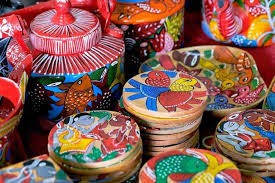 While Bidar is widely known for its Bidriware metal inlay, wood craftsmanship has long existed alongside it, serving domestic, architectural, and decorative needs. Historically, wood artisans catered to local communities; crafting furniture, temple chariots and household utensils. The designs were influenced by the region’s Indo-Islamic architecture, seen in Bidar’s forts, mosques, and palaces.
The Art of Wood Carving
 Artisans typically use locally available hardwoods such as teak and rosewood. The process begins with selecting seasoned wood, which is cut and shaped into the desired form. Using chisels, gouges, and hand tools, craftsmen carve intricate patterns like floral vines, geometric borders, arches, and latticework.
Each piece requires steady hands and careful planning, as the designs are carved directly onto the surface without mechanical aids. Polishing and finishing enhance the natural grain of the wood, giving the final product a warm and timeless appeal.
Range of Creations and Sustenance
Bidar wood artisans produce a wide variety of items, including decorative wall panels, doors, traditional low seating stools and wooden boxes, toys, trays, frames, storage chests etc.
Modern demand for handcrafted décor has opened new avenues for Bidar’s wood artisans. Craft clusters and exhibitions help these artisans showcase their work beyond local markets. By blending traditional carving techniques with contemporary designs, they continue to keep this heritage alive.
Image References
http://salemkviccluster.blogspot.com/2017/12/exposure-visit-to-bidar-wood-craft.html