
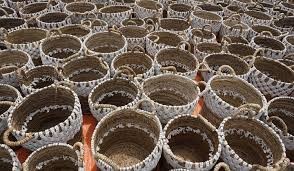
 Practiced in several parts of South India, including artisan clusters in Karnataka, this craft transforms the fibrous pseudo-stem of the banana plant; usually discarded after harvest; into durable, eco-friendly products like ropes, baskets, handbags, floor mats, table runners etc.
Over time, this utilitarian practice evolved into a structured craft. Artisan groups developed specialised techniques to soften, spin, and weave banana fibre into items that combined durability with natural beauty. The craft provided supplementary income for farming families, especially women, linking agriculture directly with artisanal production.
Fibre Extraction and Crafting Techniques
Extraction
After the banana bunch is harvested, the stem layers are peeled apart. Using simple hand tools or small scraping devices, artisans extract the fibres from the outer sheaths. These fibres are washed to remove sap and impurities.
Drying and Softening
The extracted fibres are sun-dried, which gives them their natural golden-beige colour. To make them pliable, fibres may be soaked briefly or treated with natural softening methods before spinning or weaving.
Fibres are then graded according to thickness and quality, with finer strands reserved for weaving and coarser fibres used for ropes and structural elements.
Spinning and Twisting
Fine fibres are twisted into yarn using hand-spinning tools or simple mechanical spinners. This yarn can then be woven like thread, blended with cotton or jute, or used independently.
Design and Aesthetic Qualities
Banana fibre products are known for their earthy tones, subtle texture, and structural strength. The material blends well with natural dyes, allowing artisans to introduce muted greens, browns, and warm shades without losing the fibre’s rustic charm.
Contemporary Adaptation and Market Expansion
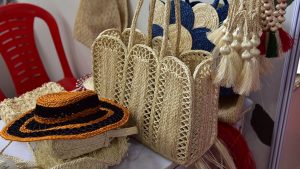 The fibre’s biodegradable nature and low environmental impact have drawn interest from designers and eco-conscious consumers internationally. Products are increasingly found in global markets that prioritise sustainability and handmade authenticity.
Banana fibre craft stands as a compelling example of how traditional ingenuity and ecological sensitivity can shape a craft that is both culturally rooted and globally relevant.
Image References