
The Origins of Kasuti
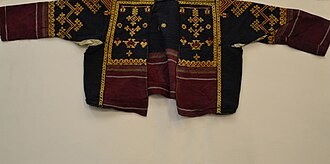
Kasuti Embroidery is one of Karnataka’s most treasured textile traditions, celebrated for its precision, symbolism, and cultural elegance that received the GI tag in 2006. This delicate hand embroidery, once an essential part of bridal trousseaus, even today continues to thrive as a symbol of Karnataka’s rich needlework heritage. The word Kasuti is derived from two Kannada words -“Kai” meaning hand and “Suti” meaning cotton thread. This embroidery tradition flourished during the Chalukya period and later under the Vijayanagara Empire, when women of royal and aristocratic households adorned garments with intricate hand-stitched patterns. It was traditionally practiced in regions like Bijapur, Dharwad, and Bagalkot.
The Embroidery
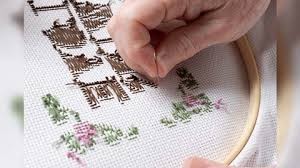
Kasuti is known for its extraordinary precision. Artisans do not draw patterns beforehand; rather, designs are counted and stitched directly onto the fabric. The embroidery is reversible, meaning the design looks identical on both sides, with no visible knots.
The craft employs four primary stitches:
- Gavanti – double running stitch forming geometric patterns
- Murgi – zigzag stitch resembling steps of a staircase
- Menthe – cross stitch that looks like fenugreek seeds
- Negi – darning stitch used for filling patterns
Motifs often include temple gopurams, chariots, lamps, peacocks, elephants, and floral patterns inspired by nature and architecture. The embroidery once decorated Ilkal sarees and traditional blouses worn during festivals and weddings. Today, Kasuti finds its place on sarees, kurtas, dupattas, and home decor, bridging heritage and modern design.
Image References